
Photo: Markus Winkler / Pexels
Suvarnabhumi Airport is facing congestion and cargo backlogs, and Thailand's travel agents' association is worried about the year-end high season. The Association of Thai Travel Agents (ATTA) says management problems at the airport could hurt traveller confidence and tourism revenue in the last two months of 2026. The confirmed problem so far is the cargo backlog. The passenger-side concerns are warnings from the industry, and no delay statistics have been published.
What ATTA is worried about
Adith Chairattananon, ATTA's secretary-general, spoke on 9 November 2026. He said the private sector is deeply worried about whether the airport is ready for the final two months of the year.
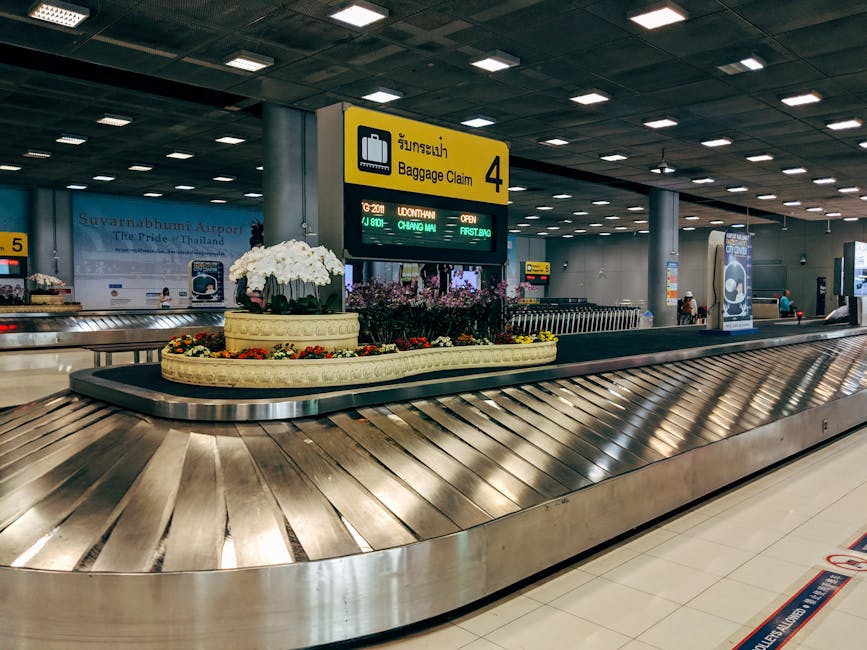
He said the issue is wider than crowding. It covers weaknesses across airport management, including airlines, immigration checks, baggage handling and ground transport.
He named three main risks:
- Falling tourist confidence
- Higher operating costs for businesses
- Reduced competitiveness of Thai tourism
Possible knock-on effects
- Long queues and poor arrival experiences could put international visitors off coming back.
- Tour operators, hotels and transport firms could face extra labour costs and disrupted schedules when passengers are delayed.
- Congestion could limit how many extra flights the country can take, which would affect revenue.
Adith said no financial loss estimate is possible without reliable data on immigration wait times, flight delays, baggage backlogs and logistics costs.
What ATTA wants done
ATTA proposed several measures:
- A central airport operations centre bringing together Airports of Thailand (AOT), immigration police, airlines, ground handlers and private businesses. It would monitor operations in real time and coordinate responses.
- More immigration officers, more passport control capacity and more baggage handling resources.
- Better management of passenger transfers at peak times.
- Use of advance flight information to predict busy periods and allocate staff.
- Clear performance targets for waiting times, flight punctuality, baggage collection and passenger flow, with regular monitoring and public reporting.
Adith said Thailand needs to move from reacting to disruptions to preventing them, through planning, data analysis and early warning systems.
The cargo backlog
On 5 and 6 November there were reports of cargo backlogs at Thai Airways' Suvarnabhumi warehouse. Cargo airlines were also restricting certain shipment types. Later reports suggest the cargo problems are not fully resolved.
This is not new. In September, the Thai Chamber of Commerce flagged persistent air cargo congestion. It cited limited warehouse space, staffing shortages, equipment limits and operating procedures, and warned this could hurt trade and economic competitiveness.
A related headline says AOT is adding warehouse space and tracking to clear the cargo backlog.
What this means for travellers
- Expect possible long immigration queues, slow baggage reclaim and delays at Suvarnabhumi (BKK) through November and December 2026.
- Allow extra time for connections through Bangkok. Avoid tight onward bookings, especially domestic legs to Krabi, Phuket and Samui.
- Time-sensitive air freight and parcels may be delayed.
The bigger picture
Adith said Thailand can still earn substantial tourism revenue in the rest of the 2026 high season. He said the country's capacity to handle visitors is becoming a bigger concern than travel demand. He warned that recurring problems at busy times could damage visitor satisfaction, spending and Thailand's reputation.
Information sourced from The Thaiger.